
Expert tips
Engine warning light on: what should you do?
The little orange engine symbol has lit up on your dashboard. No need to panic, but don't ignore it either: it's your car's way of saying one of its computers has detected a fault.
Steady or flashing makes a difference
- Steady light: a fault has been recorded. You can usually keep driving carefully, but get a diagnostic within the next few days.
- Flashing light: the fault can damage the engine or catalytic converter. Slow down, stop as soon as it's safe and call a professional.
- Red light (oil, temperature, battery): stop immediately and switch off the engine.
The most common causes
A loose fuel cap, a faulty sensor, a worn spark plug or ignition coil, an injection problem, sometimes poor-quality fuel. Only reading the fault code will tell.
Why you shouldn't wait
A faulty sensor can upset the air-fuel mixture for weeks. The result: higher fuel use, fouling, and sometimes a much bigger repair. A diagnostic usually takes less than an hour.
What not to do
- Have the light cleared without finding the cause: it will come back.
- Replace parts at random before reading the code.
- Drive for long with a flashing light.
What we do at the workshop
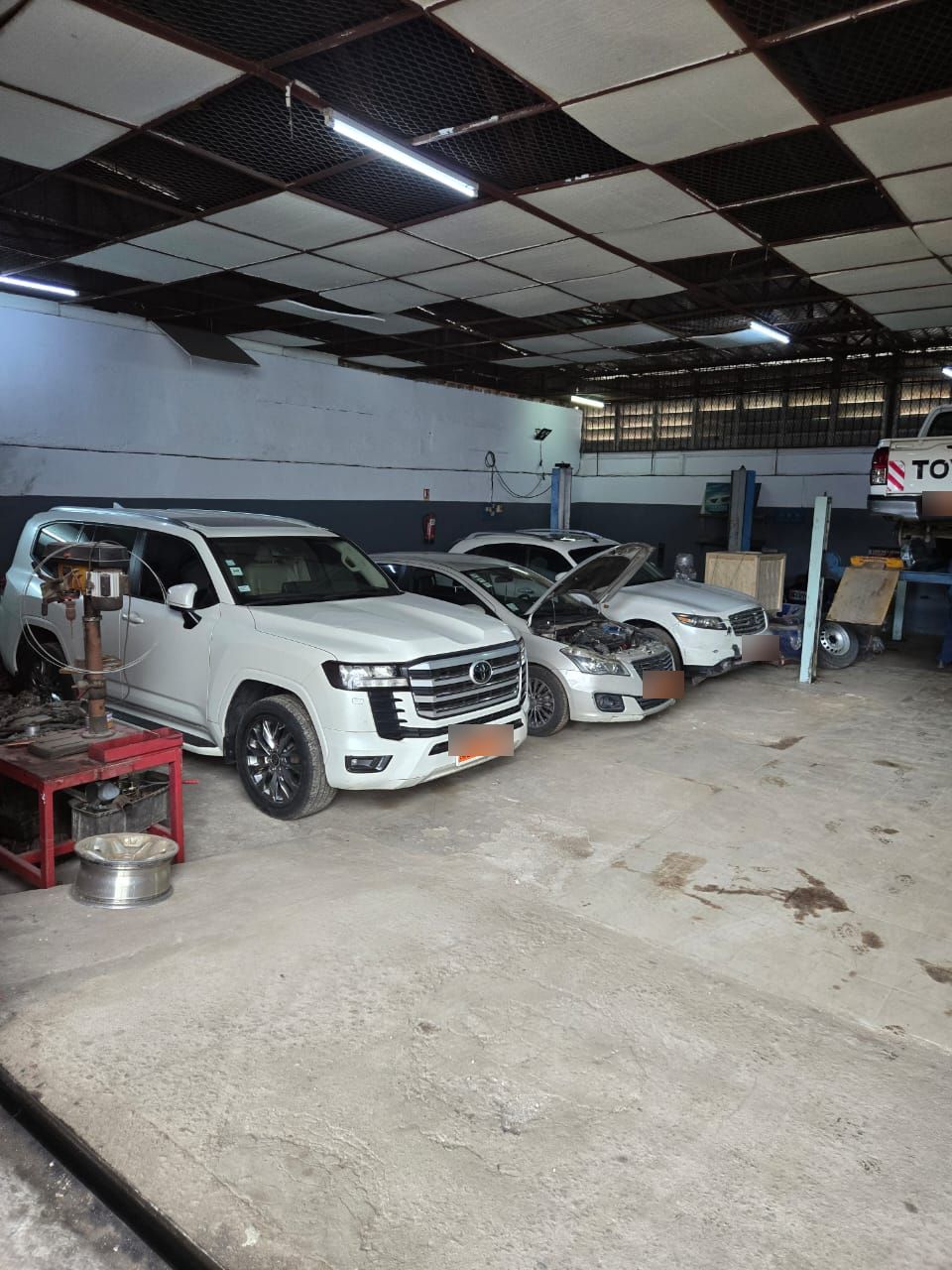
Our Mechatronics department reads the codes, checks live readings, and gives you a written report and a quote. Then you decide.
Warning light on? Book a Diagnostic Check-up from 50,000 XAF, credited if we do the repair.
Book